


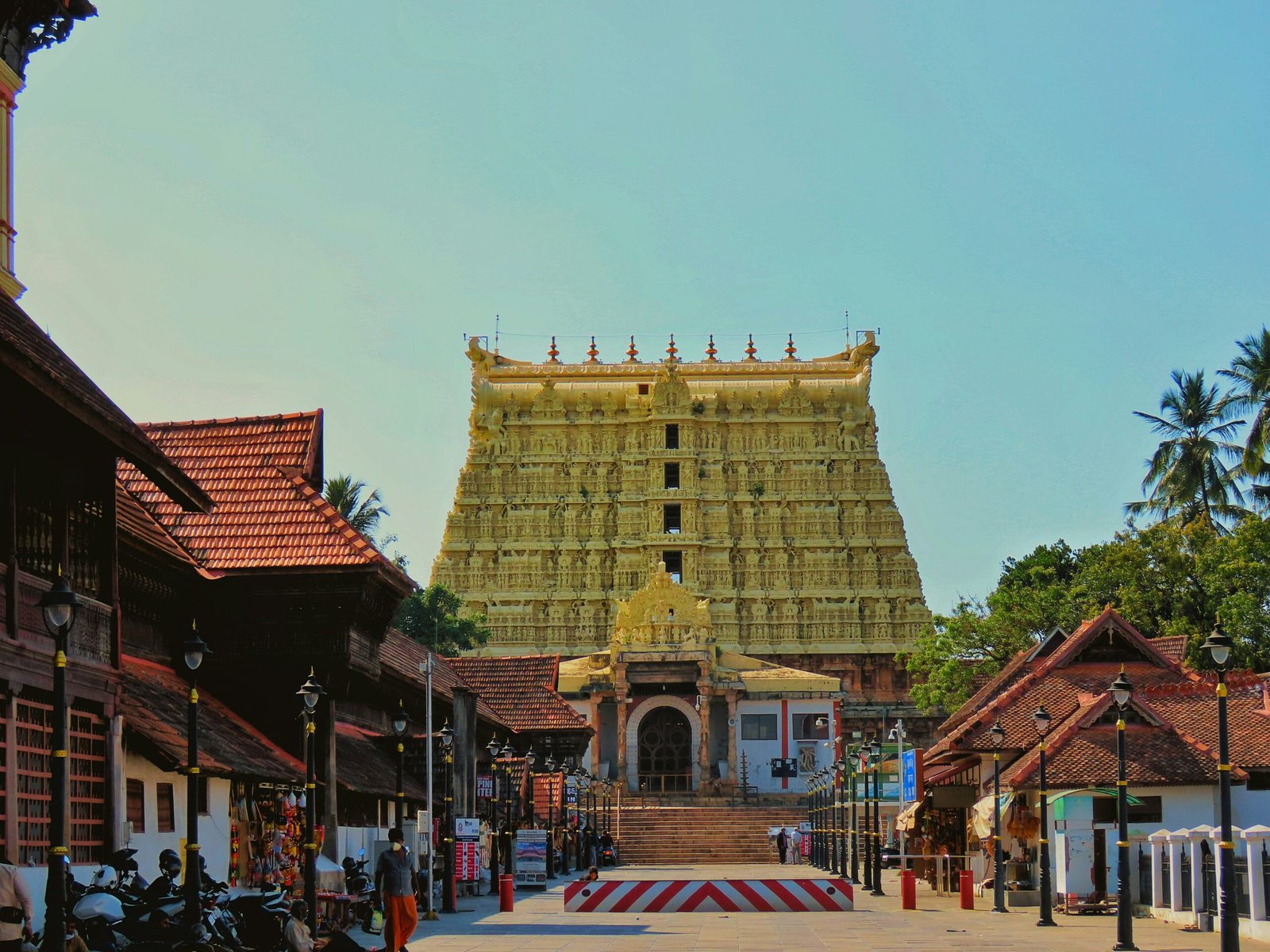
The Padmanabhaswamy Temple stands as a prominent Hindu temple in Thiruvananthapuram, the capital city of Kerala, India. Devotees consider it one of the most famous and revered temples in South India. Padmanabhaswamy Temple temple honors Lord Padmanabha, an incarnation of Lord Vishnu, who is depicted reclining on the snake Ananta.
The builders constructed it in the eighth century AD, showcasing magnificent architecture, intricate carvings, and historical significance. Over the years, it has undergone several renovations and expansions. The temple follows the customary Dravidian style of engineering and elements a seven-layered tower (gopuram) at the entry.
One of the interesting parts of the Padmanabhaswamy temple is the huge abundance found inside its vaults. In 2011, a group of specialists and archeologists found a few underground loads loaded up with treasures, including gold decorations, gems, and old fashioned curios. Experts estimate that the treasures found in the Padmanabhaswamy temple are worth billions of dollars, making it one of the wealthiest religious institutions in the world.
The Padmanabhaswamy temple is a huge journey site for lovers of Ruler Vishnu and draws in a great many admirers and vacationers from around the world. It has severe clothing standards and section guidelines to keep up with its sacredness. Only Hindus can enter the main sanctum sanctorum, and men must wear a traditional dhoti while women should wear a sari or a skirt and blouse.
The Padmanabhaswamy Temple Sanctuary isn’t simply a strict site yet in addition an engineering wonder and an image of social legacy. It keeps on being a treasured milestone in Thiruvananthapuram and a position of respect for enthusiasts and guests the same.
Ancient Origins and Legends Padmanabhaswamy Temple
The Sree Padmanabhaswamy Temple, situated in Thiruvananthapuram, Kerala, stands as one of India’s most iconic and revered Hindu temples. Dedicated to Lord Vishnu, the temple not only serves as a major pilgrimage site but also symbolizes the rich cultural and historical heritage of the region. Its ancient origins, stunning architecture, and spiritual significance have captivated both devotees and history enthusiasts alike.
Historians trace the origins of the Sree Padmanabhaswamy Temple to the Sangam period around the 6th century CE. Ancient Tamil literature, such as the Paripadal and Silappadikaram, mentions the Padmanabhaswamy temple, indicating its deep roots and longstanding significance. According to legend, the sage Divakara Muni Vilwamangalam discovered the deity of the temple. while meditating at the Ananthapura Lake Temple in Kasaragod, believed to be the original seat of Lord Vishnu. Following a divine vision, the sage established the temple at its current location, which eventually became a major spiritual center.
Historical Development Padmanabhaswamy Temple
The construction of the Padmanabhaswamy temple began under the Chera dynasty, with significant contributions from various rulers over the centuries. The Travancore kings played a crucial role in expanding and enhancing the temple’s architectural and cultural heritage. Especially during the 18th and 19th centuries. Under the reign of Maharaja Marthanda Varma, the temple underwent extensive renovations, solidifying its grandeur and prominence. The Travancore royal family continued to patronize the Padmanabhaswamy temple, ensuring its preservation and spiritual relevance.
Architectural Marvel Padmanabhaswamy Temple
Architects designed the Sree Padmanabhaswamy Temple to showcase a unique blend of Kerala and Dravidian architectural styles. Builders enclosed the temple complex with high granite walls and constructed a towering gopuram that stands at 100 feet. Artisans adorned the gopuram with intricate carvings and sculptures depicting various deities and mythological scenes. Highlighting the craftsmanship and artistic excellence of the era.
Inside the Padmanabhaswamy temple, the main sanctum, known as the Garbhagriha, houses the idol of Padmanabhaswamy Temple. The deity is depicted in the Ananthasayanam posture, reclining on the serpent Adi Shesha, with Lord Brahma emerging from a lotus on His navel. The idol, made from a composition of 108 sacred herbs known as Katusarkara Yogam. It is a marvel of ancient craftsmanship and spiritual symbolism.
Festivals and Rituals Padmanabhaswamy Temple
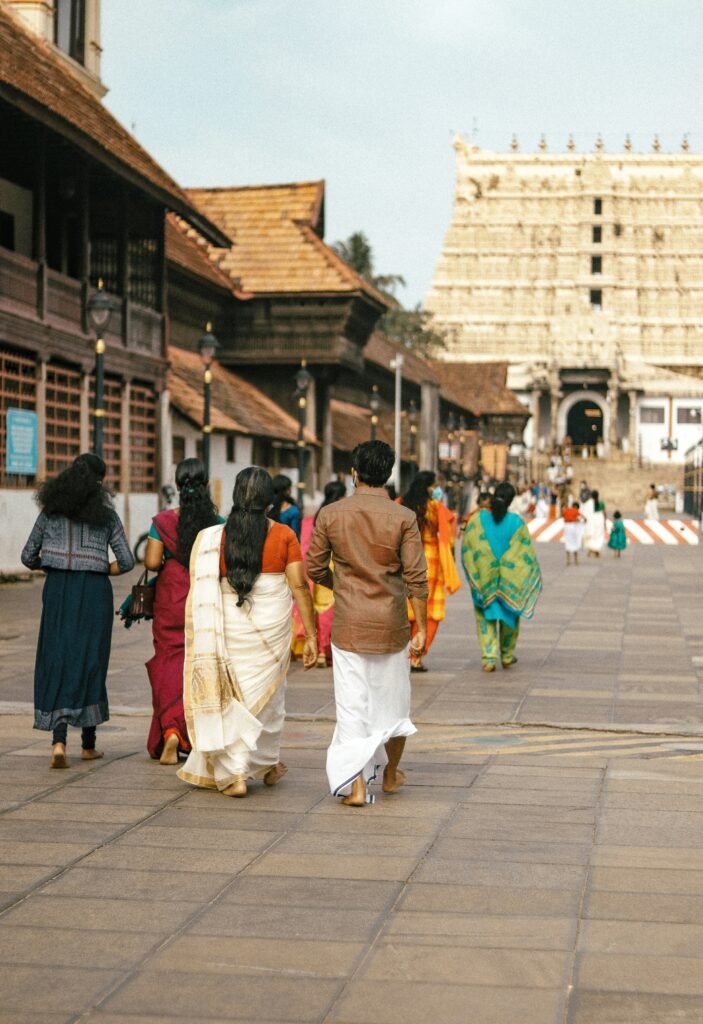
The Padmanabhaswamy temple follows the Tenkalai tradition of worship, with rituals performed four times daily. These rituals, known as poojas, involve offerings, prayers, and chanting of Vedic hymns, creating a serene and spiritually charged atmosphere. The temple hosts several major annual festivals, with the Brahmotsavam being one of the most significant. Celebrated during the Malayalam month of Medam (April-May), the Brahmotsavam features grand processions, cultural performances, and elaborate religious ceremonies, attracting devotees from far and wide.
Another notable festival is the Alpasi Utsavam, held in the Malayalam month of Thulam (October-November). Which includes various religious rituals and cultural events. The temple also observes the Navaratri festival with great fervor, celebrating the divine feminine power.
Cultural Significance of Padmanabhaswamy Temple
The Sree Padmanabhaswamy Temple is not just a place of worship but also a cultural hub that reflects the rich heritage of Kerala. The temple’s architecture, sculptures, and festivals provide a vivid portrayal of the region’s artistic traditions and spiritual ethos. The temple has been a center of learning and devotion, inspiring several saints and poets to compose hymns and verses in praise of Lord Vishnu.
The Padmanabhaswamy temple’s association with the Tamil Bhakti movement has further enriched its cultural and spiritual significance. Devotional literature and poetry, inspired by the temple, have contributed to the region’s cultural fabric, making it a beacon of spirituality and artistic expression.
Preservation and Modern-Day Importance
Over the centuries, the temple has faced several challenges, including invasions and natural disasters. Despite these setbacks, the resilience and devotion of the local communities, along with the patronage of the Travancore royal family, have ensured the temple’s preservation and restoration. The Padmanabhaswamy temple’s administration, currently overseen by the Travancore royal family, continues to uphold its spiritual and cultural heritage.
In recent years, the Padmanabhaswamy temple has embraced modern amenities to accommodate the growing number of pilgrims and tourists. The Padmanabhaswamy Temple temple complex now includes facilities such as rest houses, dining halls, and information centers, providing a comfortable and enriching experience for visitors. Efforts have also been made to preserve the temple’s architectural and artistic heritage through periodic restoration projects and conservation programs.
Conclusion
The Padmanabhaswamy Temple stands as a testament to the enduring faith and devotion of the people of Kerala and India. Its rich history, architectural grandeur, and vibrant festivals make it a unique and significant cultural landmark. Whether you are a devotee seeking spiritual solace or a history enthusiast exploring India’s rich heritage, the Padmanabhaswamy Temple promises a profound and enriching experience. The temple’s timeless beauty and spiritual aura continue to captivate and inspire, reflecting the eternal essence of devotion and divine grace.




Leave a Reply